In a new publication, REWILDING team member Wisse van Engelen, together with Sandra Calkins, Esther Turnhout, Michael Bollig and Andreas Weber, rethinks given notions of infrastructure by examining the case of the Southern Buffalo Fence.
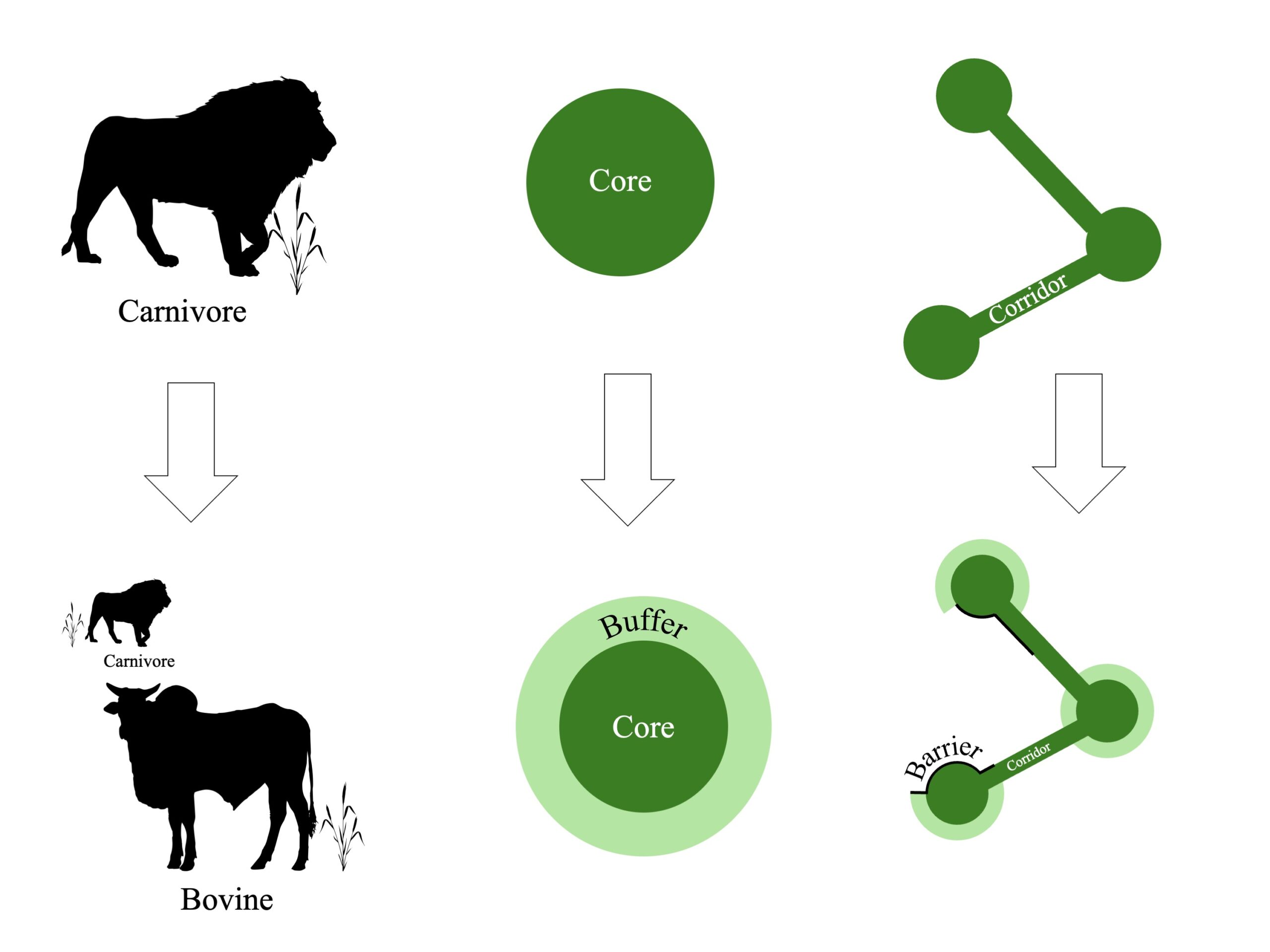
The article proposes that the Southern Buffalo Fence is highly interesting because it challenges the idea that infrastructure fails when it does not work according to its original blueprint of separating nature and culture.
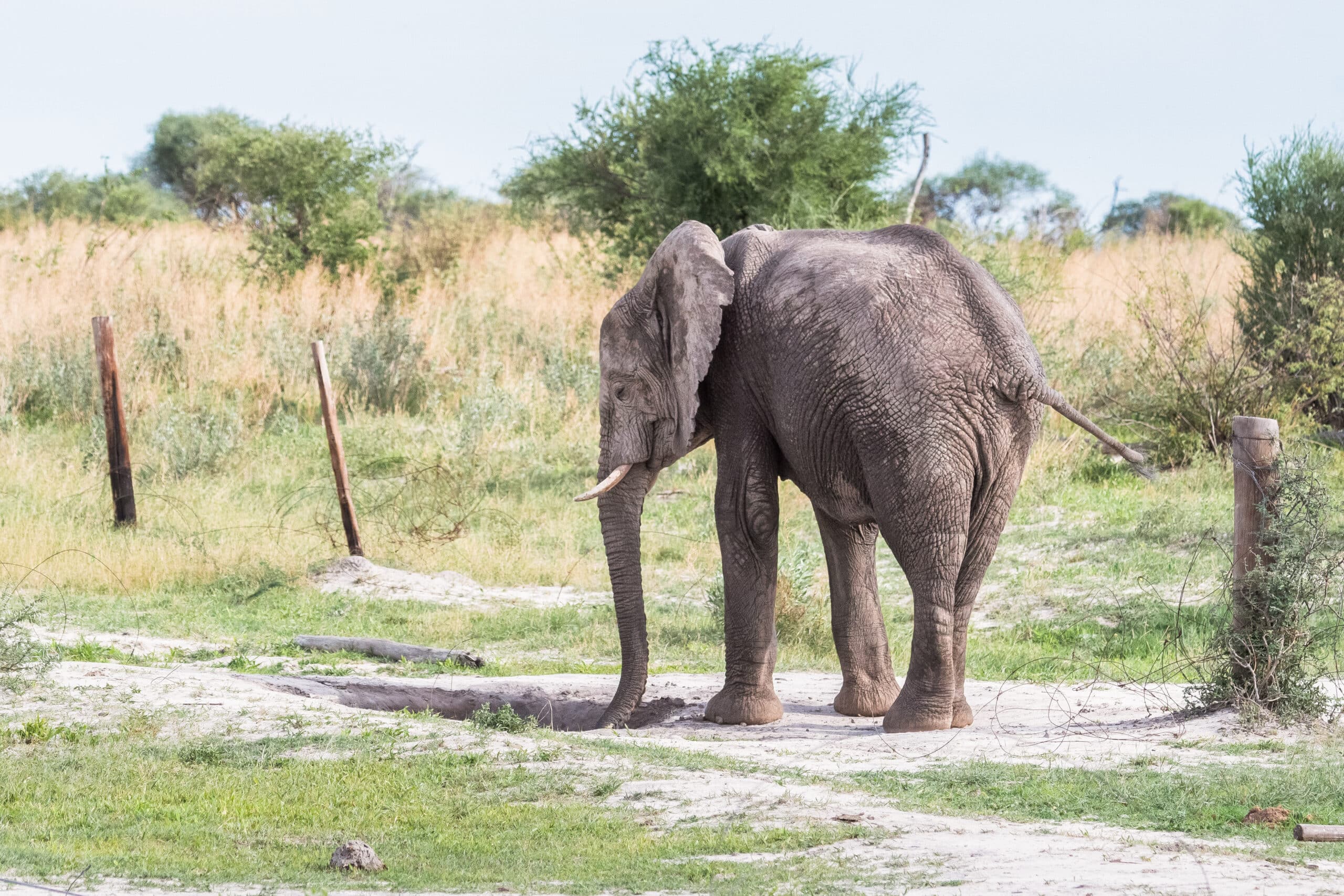
While built to keep wild buffaloes and domestic cattle separated in the Okavango Delta in Botswana, elephants regularly break this fence. Crucially, however, when elephants break the fence, they also repair their own infrastructures, given how their fence-crossing paths form the grounds on which they move.
Moreover, when considering local views on the fence, it cannot be said that an intact fence is optimal. Both pastoralists and conservationists hold ambivalent views on the fence, revealing the latter to be double-edged.
The article therefore argues that a porous fence may actually be a good compromise between competing interests and in view of ambivalent positions. In doing so, it contributes to more-than-human and postcolonial perspectives on infrastructure and the ordering of space.
It is published Open Access in Environmental Planning E: Nature and Space, and can be read here: https://journals.sagepub.com/doi/10.1177/25148486261477079
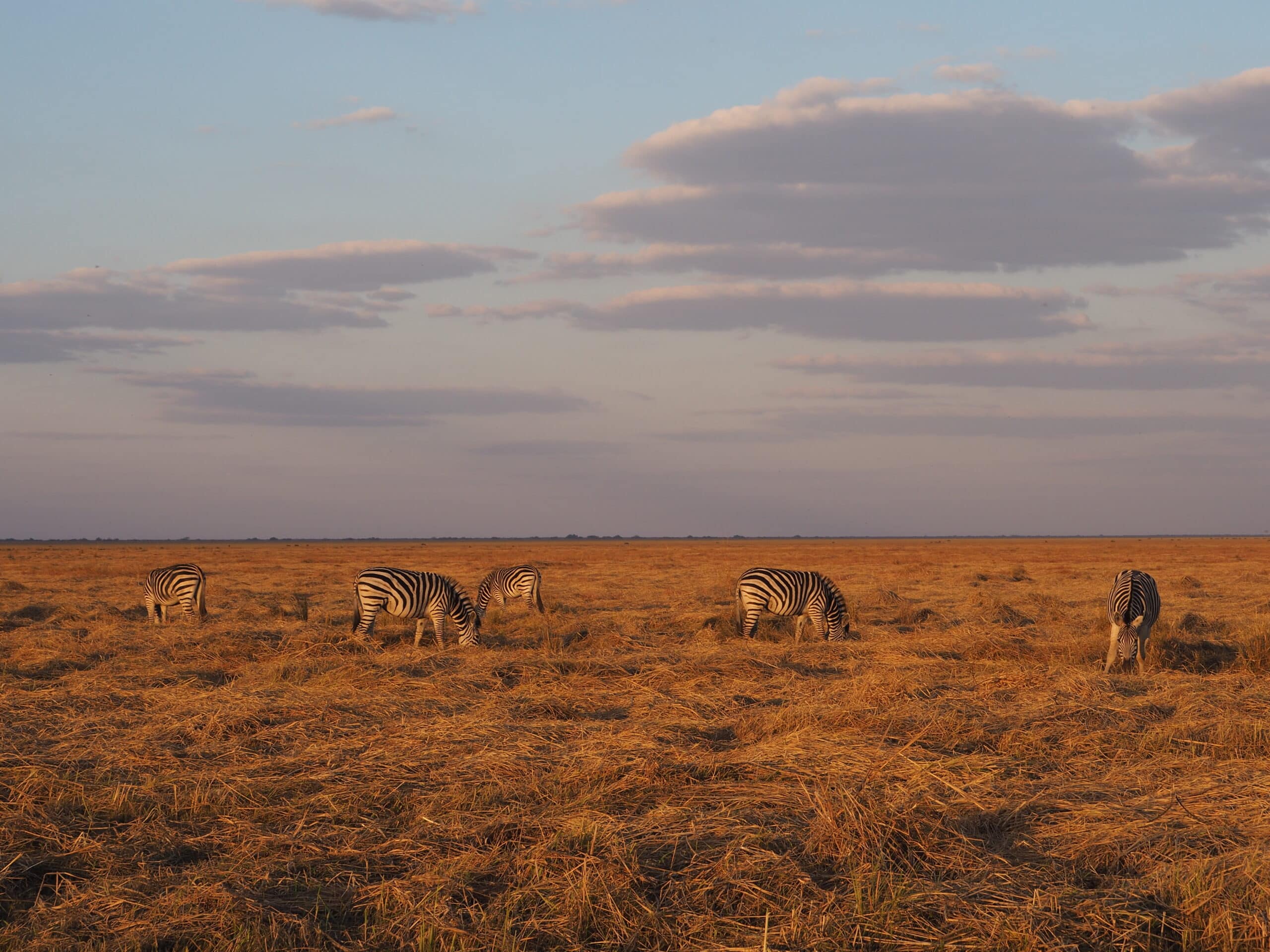
The header photo was taken by Jeroen van Rooijen.