New Rewilding article in Journal of Southern African Studies

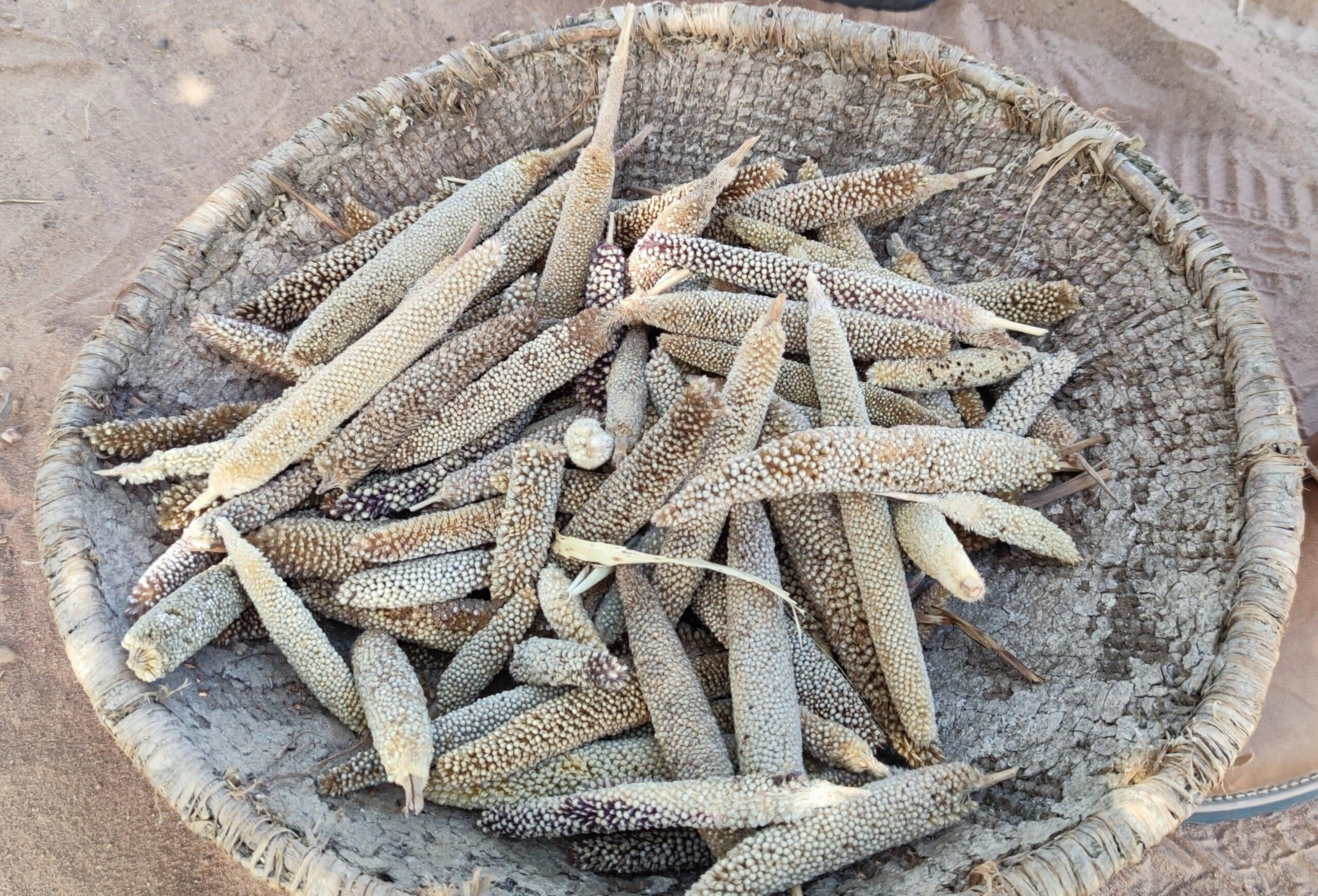
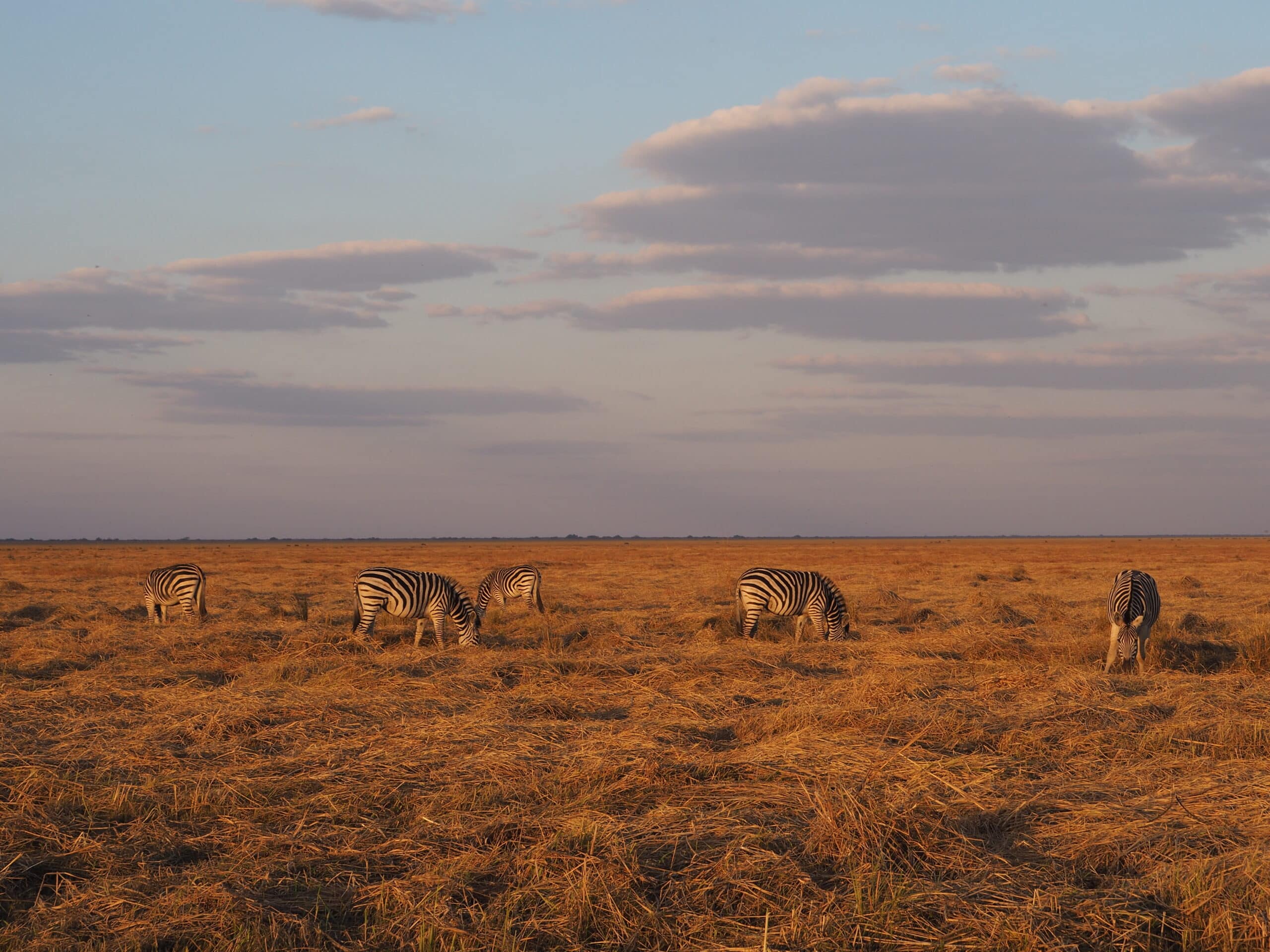
Image: Pearl Millet “Closing its Eyes” in Nkandebwe village, Simangani Ward, Zimbabwe. Copyright: Manuel Bollmann

The article “One Livelihood Risk Factor Too Many? How Unintended Impacts of Conservation Contribute to Food Insecurity in Kavango Zambezi, Southern Africa” by Manuel Bollmann was just published in the Journal of Southern African Studies.

Kavango Zambezi (KAZA) is the world’s largest terrestrial Transfrontier Conservation Area (TFCA), covering vast regions of Angola, Botswana, Namibia, Zambia and Zimbabwe. Elephants and other species traverse KAZA across national borders through both protected and inhabited landscapes along wildlife migration corridors. Zimbabwe’s Simangani ward is located within such a corridor. As in most rural areas of KAZA, subsistence farming constitutes the predominant livelihood strategy in Simangani. Research across KAZA has mostly focused either on climate- or wildlife-induced impacts on farming communities. This paper combines findings from in-depth, qualitative fieldwork with quantitative livelihood survey data and provides a detailed assessment from a farming-household perspective of on-farm and off-farm income sources, which are mobilised in order to mitigate grain harvest shortfalls resulting from climatic fluctuations and wildlife depredation. This study concludes that drought and other stressors have a considerably higher impact on food insecurity than unintended conservation impacts. However, it also confirms that the impacts of crop raiding and livestock depredation caused by wildlife do indeed trigger additional food security risk factors for farming households whose livelihoods are already under pressure.

More News

Call for Pitches & Participation – Workshop (8.-9. Oktober 2026), LMU München

Image: Niklas Schrade c/o Realfiktion Klimarechnungshof, Wien 2023 Impulse für eine öffentliche und engagierte Umweltanthropologie. Konzepte, Perspektiven und Politiken * English below Themen wie Ökologie ...
Read More

New publication: “Provincializing Foot-and-Mouth Disease”

How have we come to know foot-and-mouth disease (FMD), one of the most important transboundary animal diseases in the world? In a new publication, Wisse ...
Read More

Interdisciplinary workshop “The Planetary Legacy of Colonial Forests in the Anthropocene”

Click here to view programme Hosts Rewilding the Anthropocene (European Research Council Advanced Grant project) and the Global South Studies Center (GSSC), University of Cologne ...
Read More

New article on wildlife corridors in the KAZA Transfrontier Conservation Area

The new article “Elephant corridors in the Kavango-Zambezi transfrontier conservation area (KAZA TFCA): environmental infrastructures for a greener anthropocene in Namibia’s Mudumu landscape” by Emilie Köhler ...
Read More

Upcoming workshop in Botswana: Human-Carnivore Co-adaptation. Exploring changing behaviours, perceptions and (research) practices

Click here to view program Hosts Global South Studies Center (GSSC), the University of Cologne Rewilding the Anthropocene – A European Research Council Advanced Grant ...
Read More

Elephant Modernities: Thinking along blurry lines between humans, elephants and technologies – An interdisciplinary workshop

Click here to view program HostsGlobal South Studies Center (GSSC), the University of CologneRewilding the Anthropocene – A European Research Council Advanced Grant Project OrganizersProf. ...
Read More

© All Rights Reserved 2022

Scroll to Top