How have we come to know foot-and-mouth disease (FMD), one of the most important transboundary animal diseases in the world?
In a new publication, Wisse van Engelen, Andreas Weber and Esther Turnhout complement existing histories of foot-and-mouth disease (FMD) science with a perspective from Botswana, a country where colonial and postcolonial veterinarians dealt not just with livestock but also wildlife.
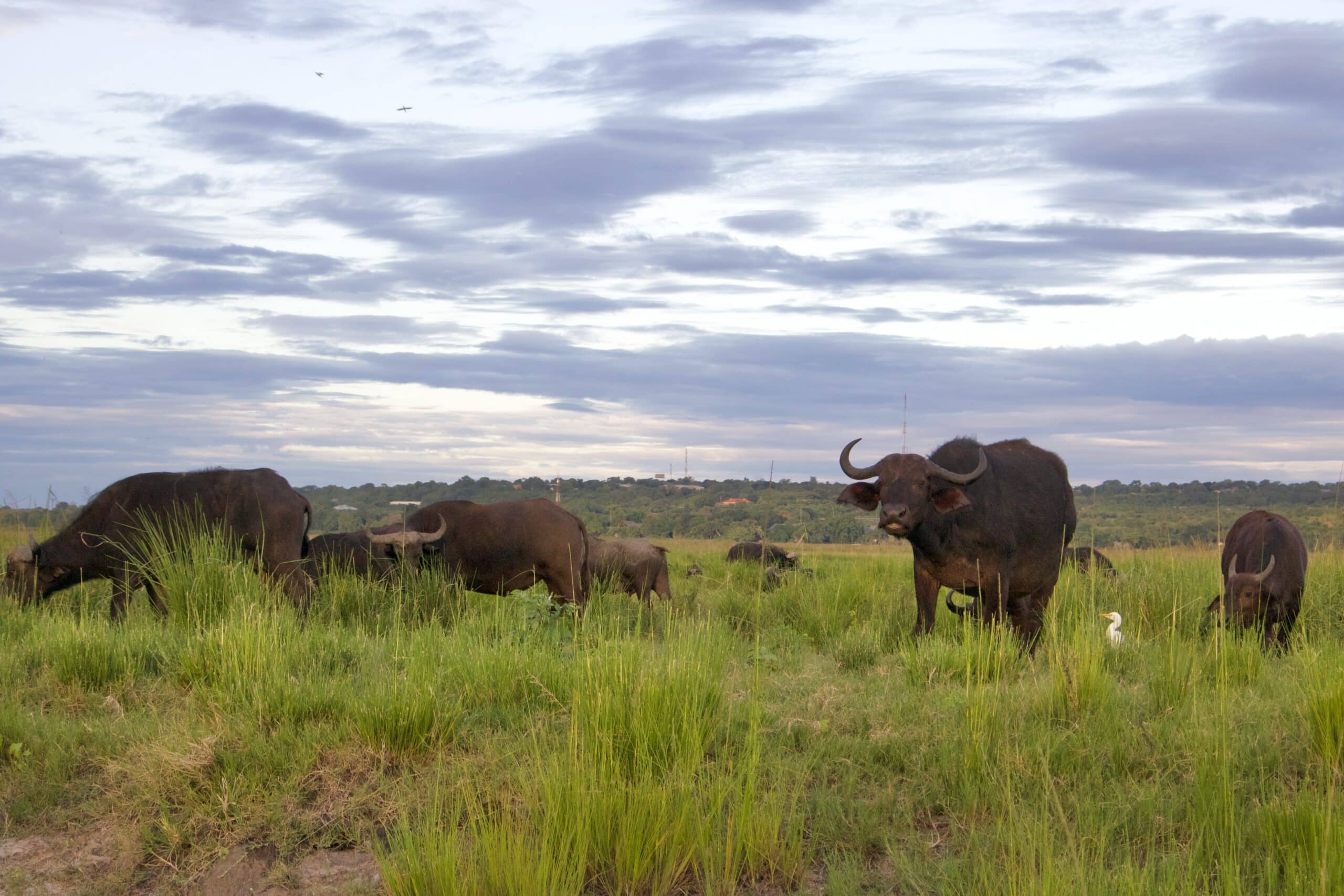
Their article focuses on the construction of the African buffalo as disease reservoir in Botswana between 1961 and 1976.
Based on research in the Botswana National Archives, the article points to the ways that Britain exerted influence on veterinarians in Botswana, while conversely there was – and still is – little attention to the ways in which Botswana and its buffalo situation are to be accommodated in international FMD control policy.
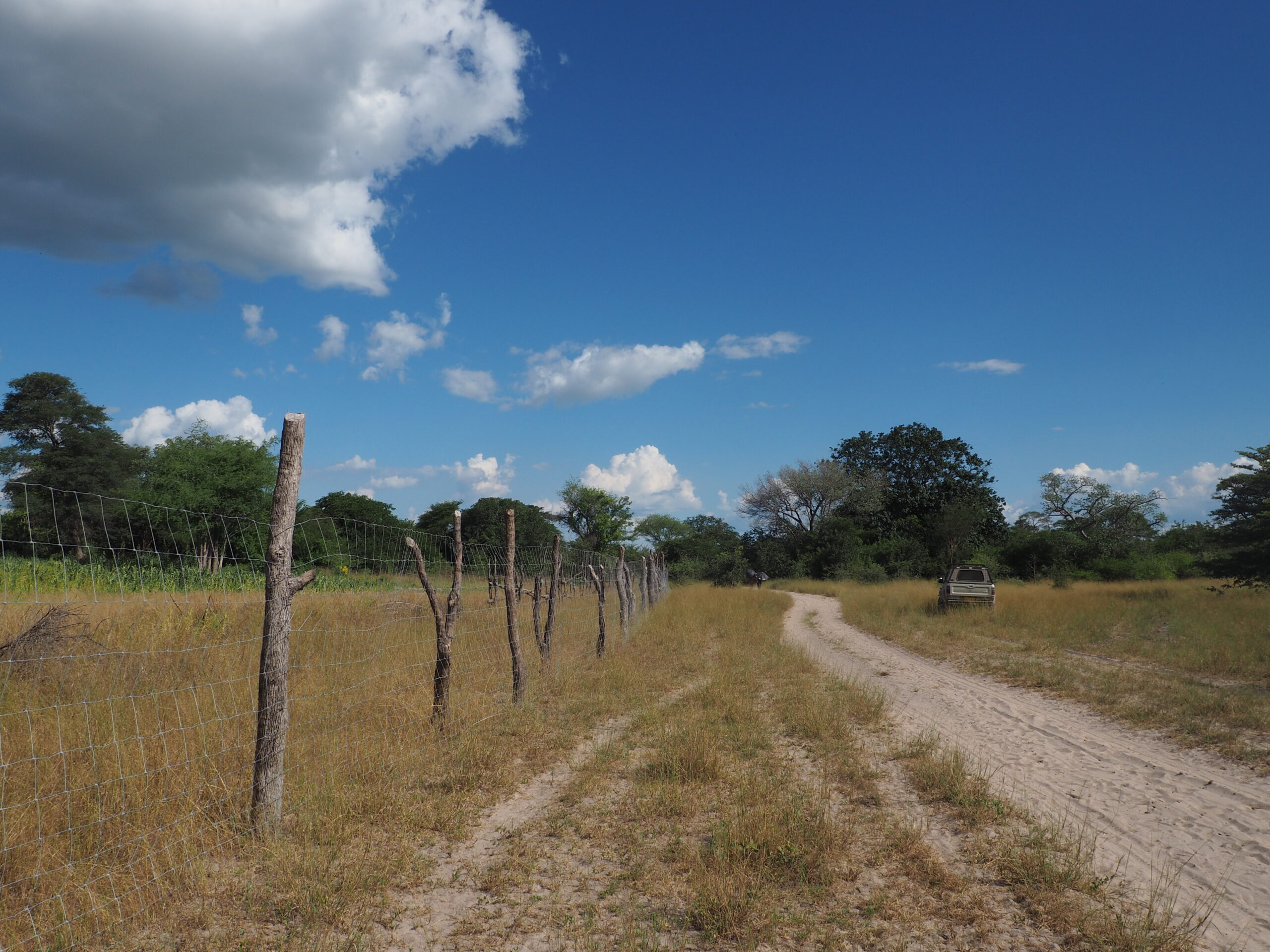
The implications of this situation are significant for Botswana and the wider Kavango-Zambezi Transfrontier Conservation Area, as it steers towards the use of unsustainable veterinary fences rather than adopting a vaccination-centred approach.
The article is published Open Access in Global Environment and can be accessed here: https://www.liverpooluniversitypress.co.uk/doi/10.3828/whpge.63881453971800